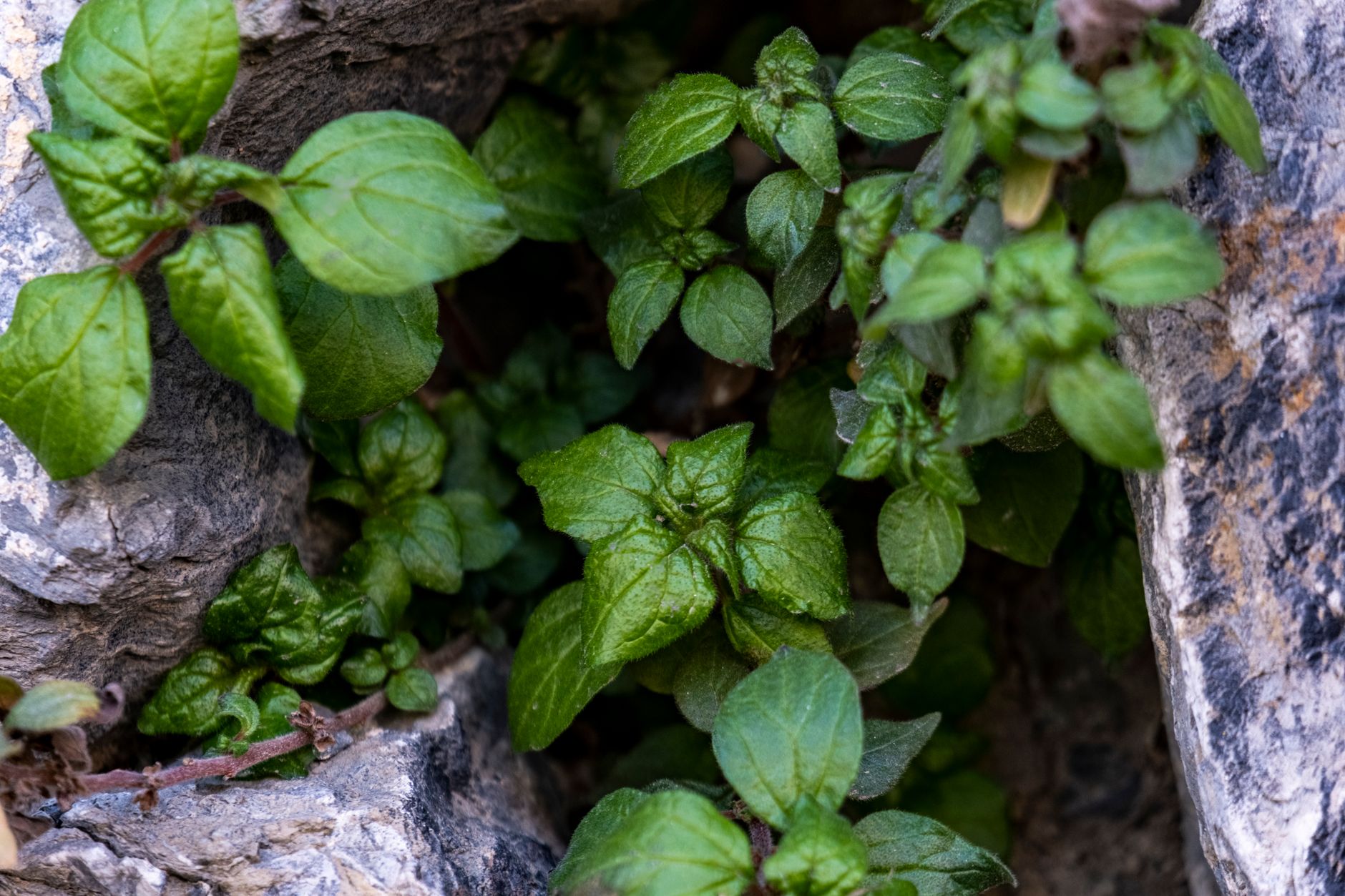
greens
Spring
Nettle, wild garlic, and the first tender leaves after the hungry gap.
mar–may
A field guide to the wild food growing all around you — what's edible, what's in season, and how to cook it without getting it wrong.
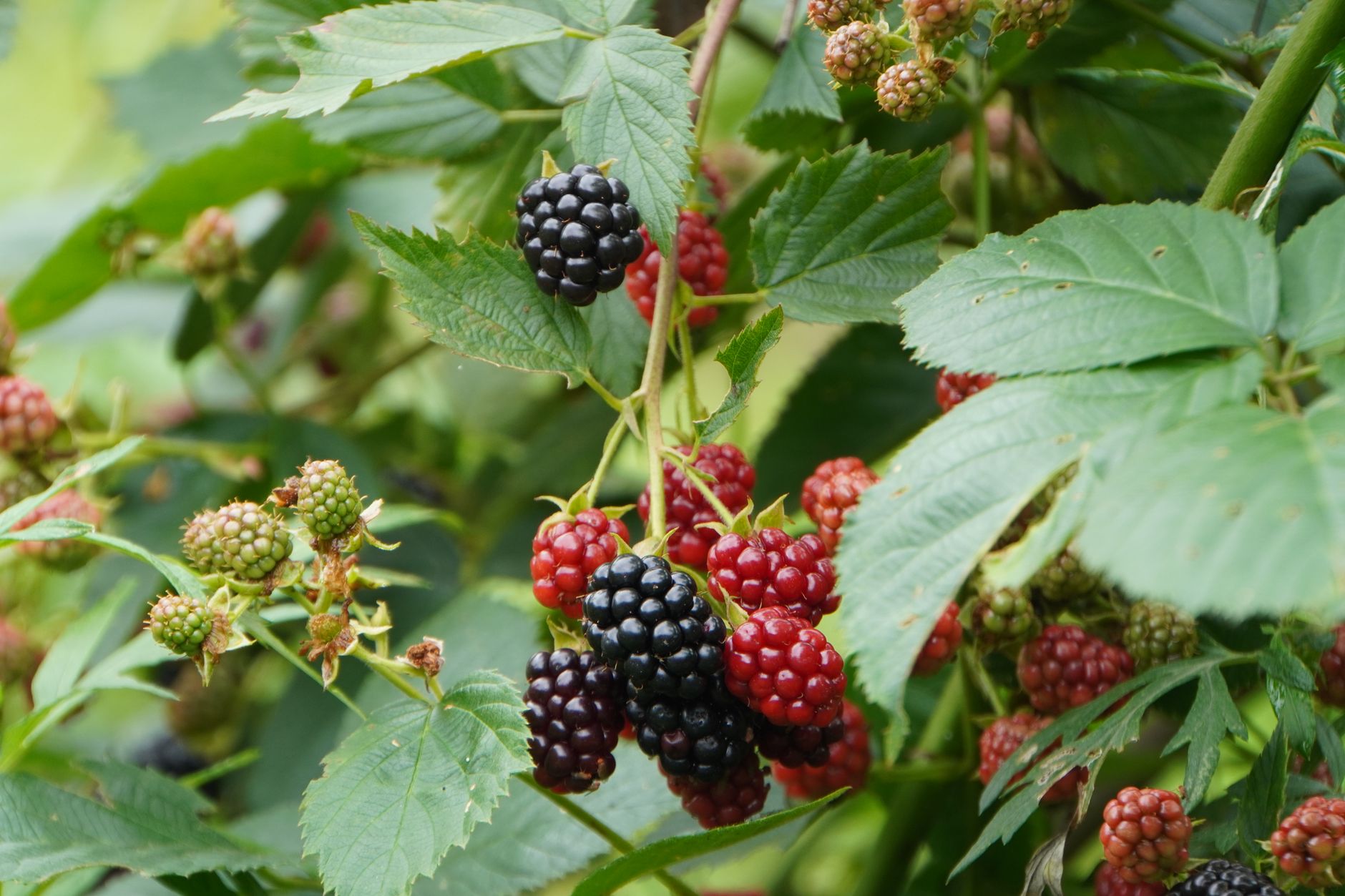
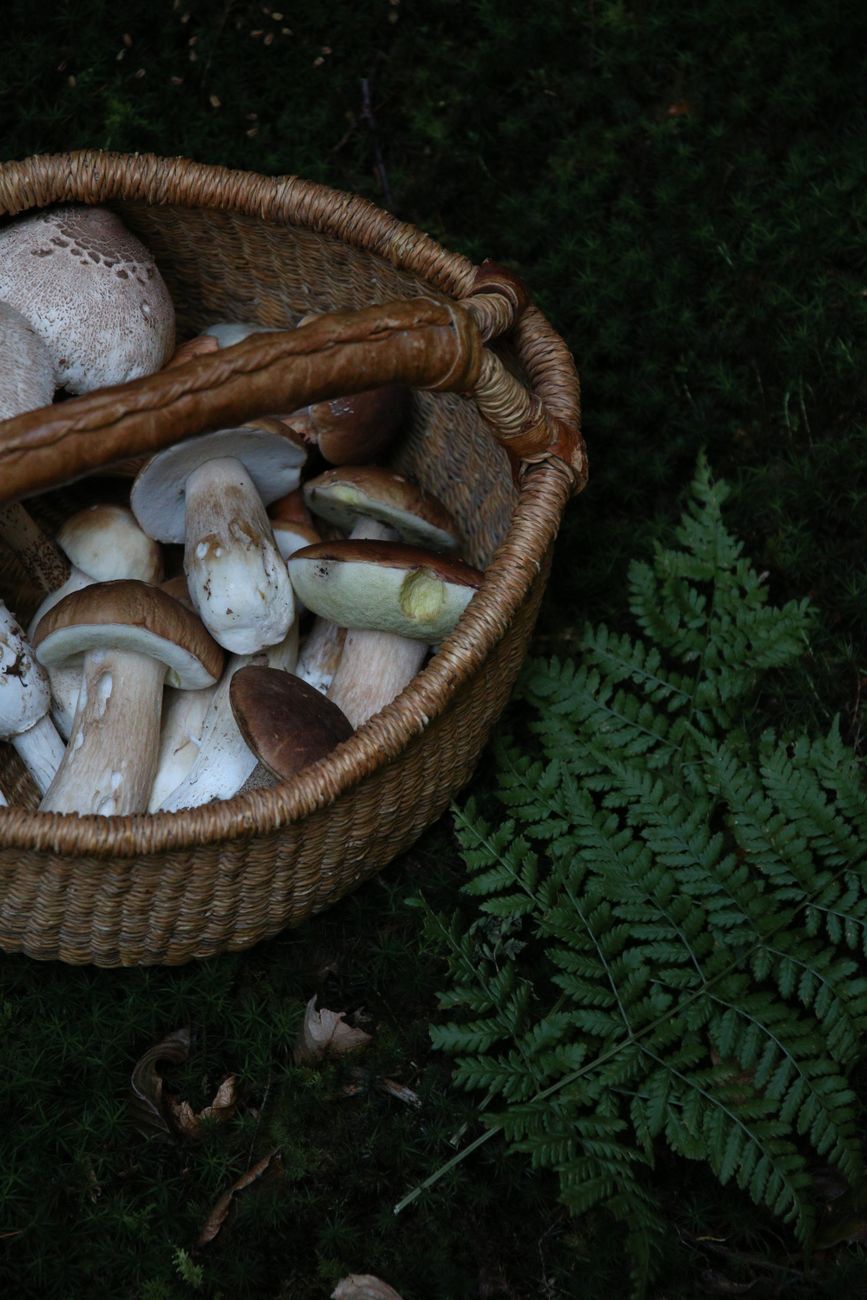
Three steps. No survival skills required.
Learn one plant at a time — where it grows, what it smells like, what its look-alikes are.
Take a quarter, leave the rest. A basket, gloves, and a sharp eye are the whole kit.
Most wild food is better cooked. Boil the sting away, jar the summer, freeze the spring.
The hedgerow is bigger than you think.
A field guide to the edible things already growing near you.
A live calendar so you know what to pick, and when it's past.
Clear identification, look-alikes flagged, and a hard rule: when in doubt, don't.
Recipes for every harvest, tested so you don't ruin a good find.
Hedges, parks, and wood edges — the quiet spots you walk past daily.
Foragers who leave a quarter, share spots, and never show off.
Shot where the wild food actually grows.
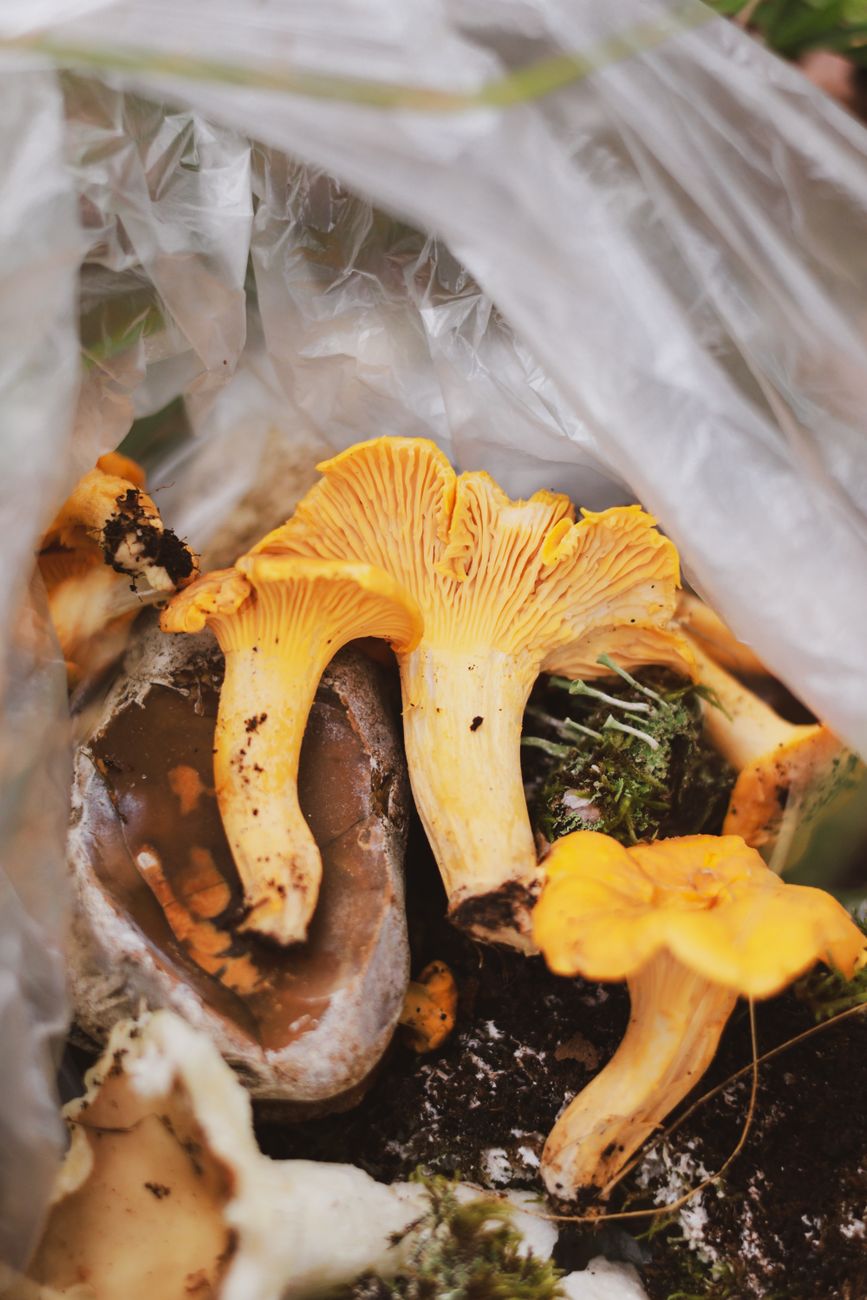
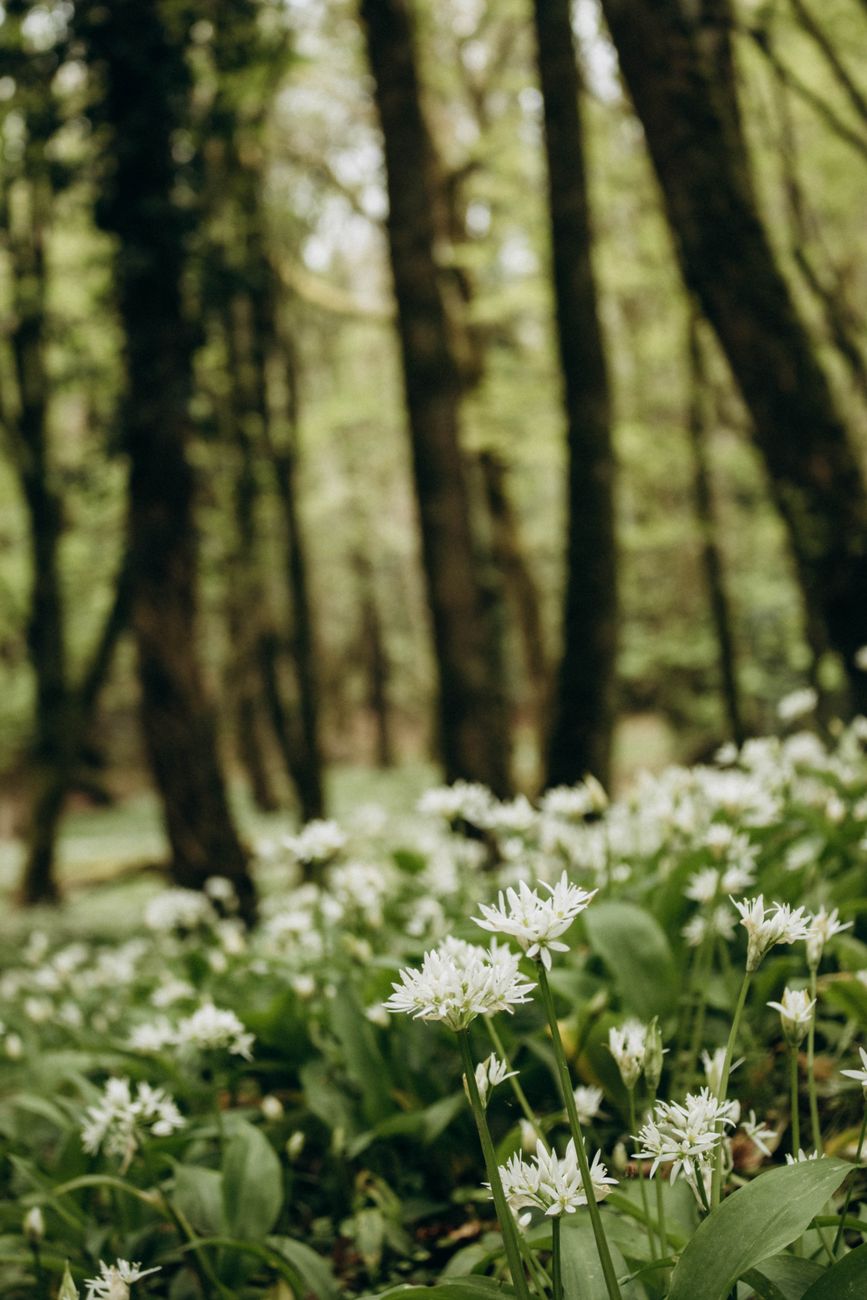
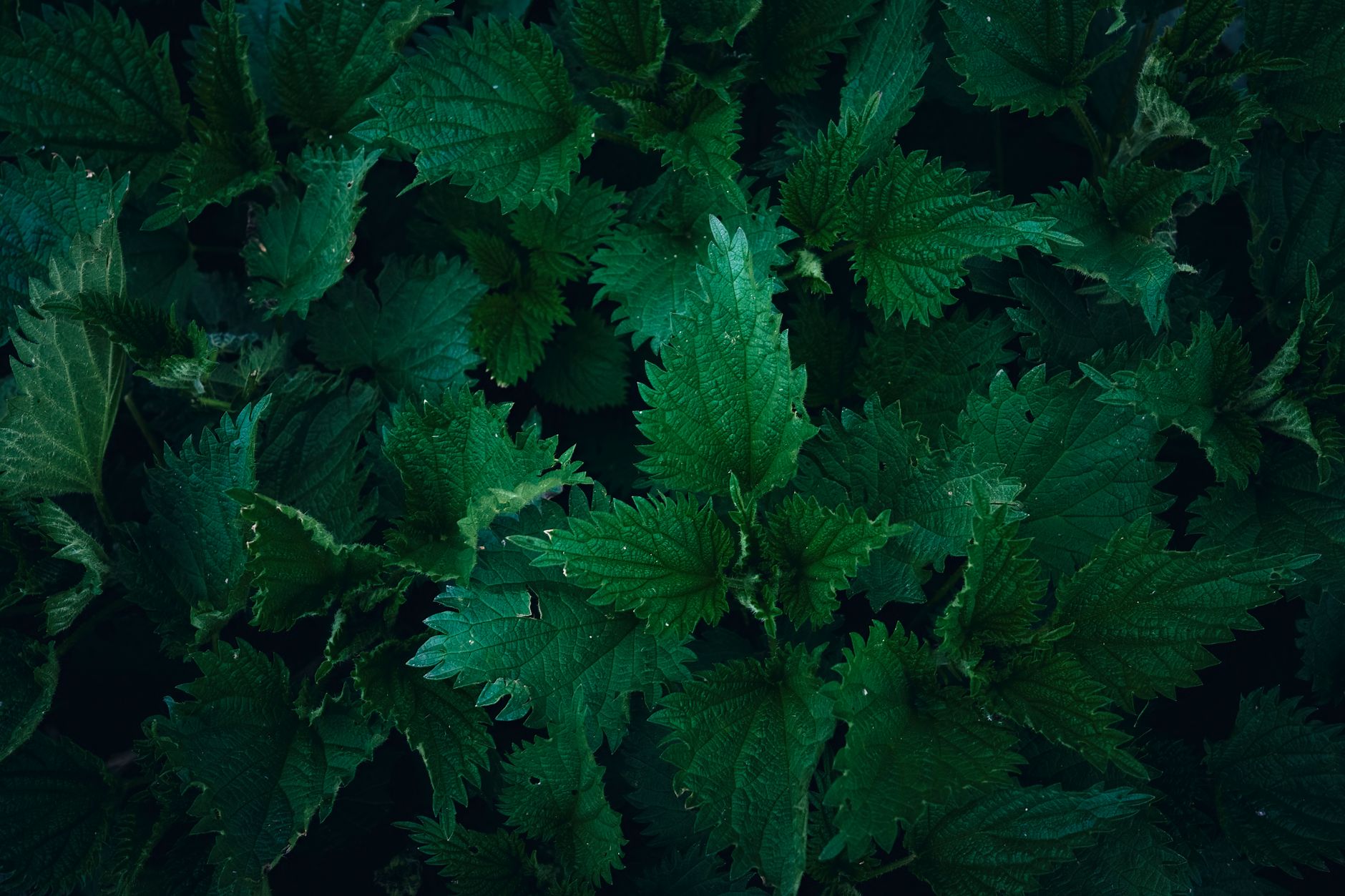
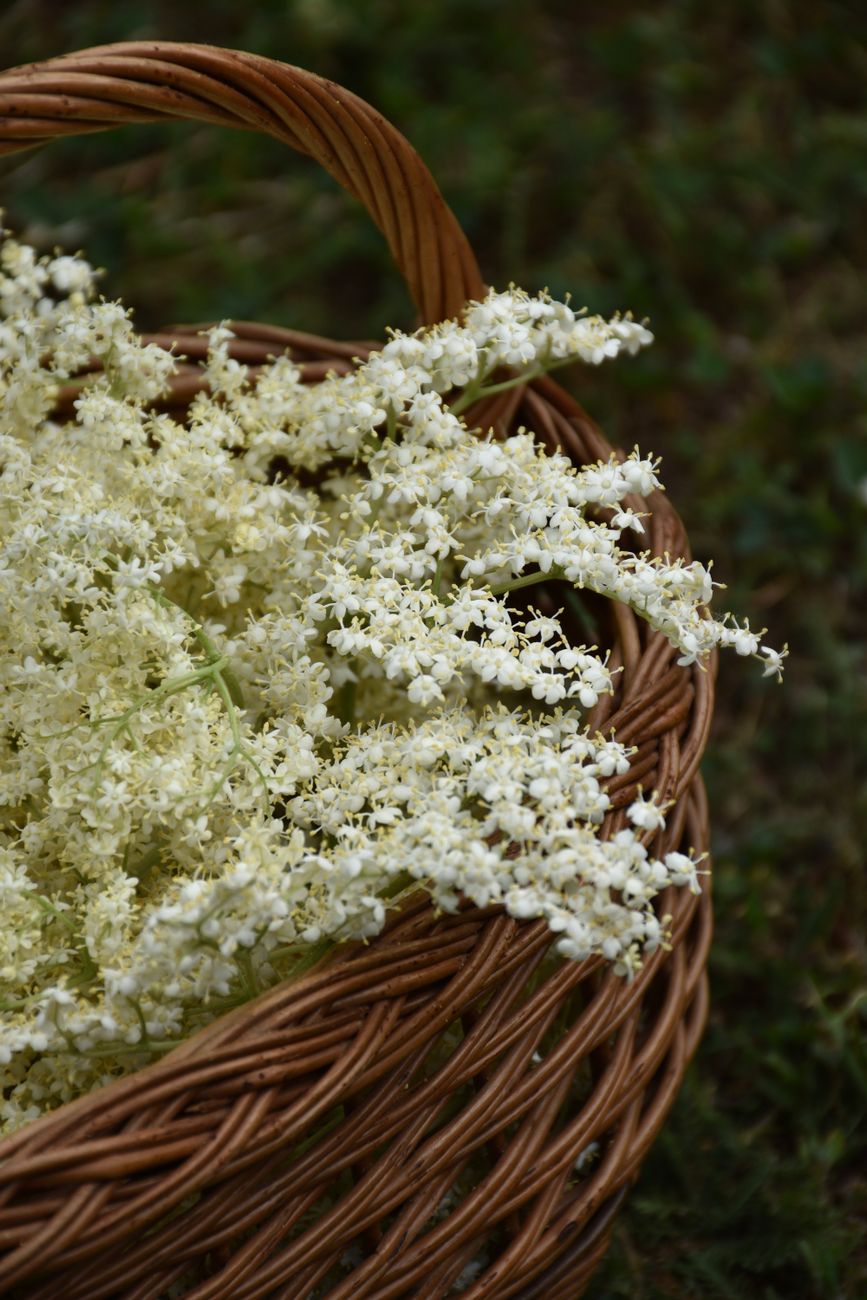
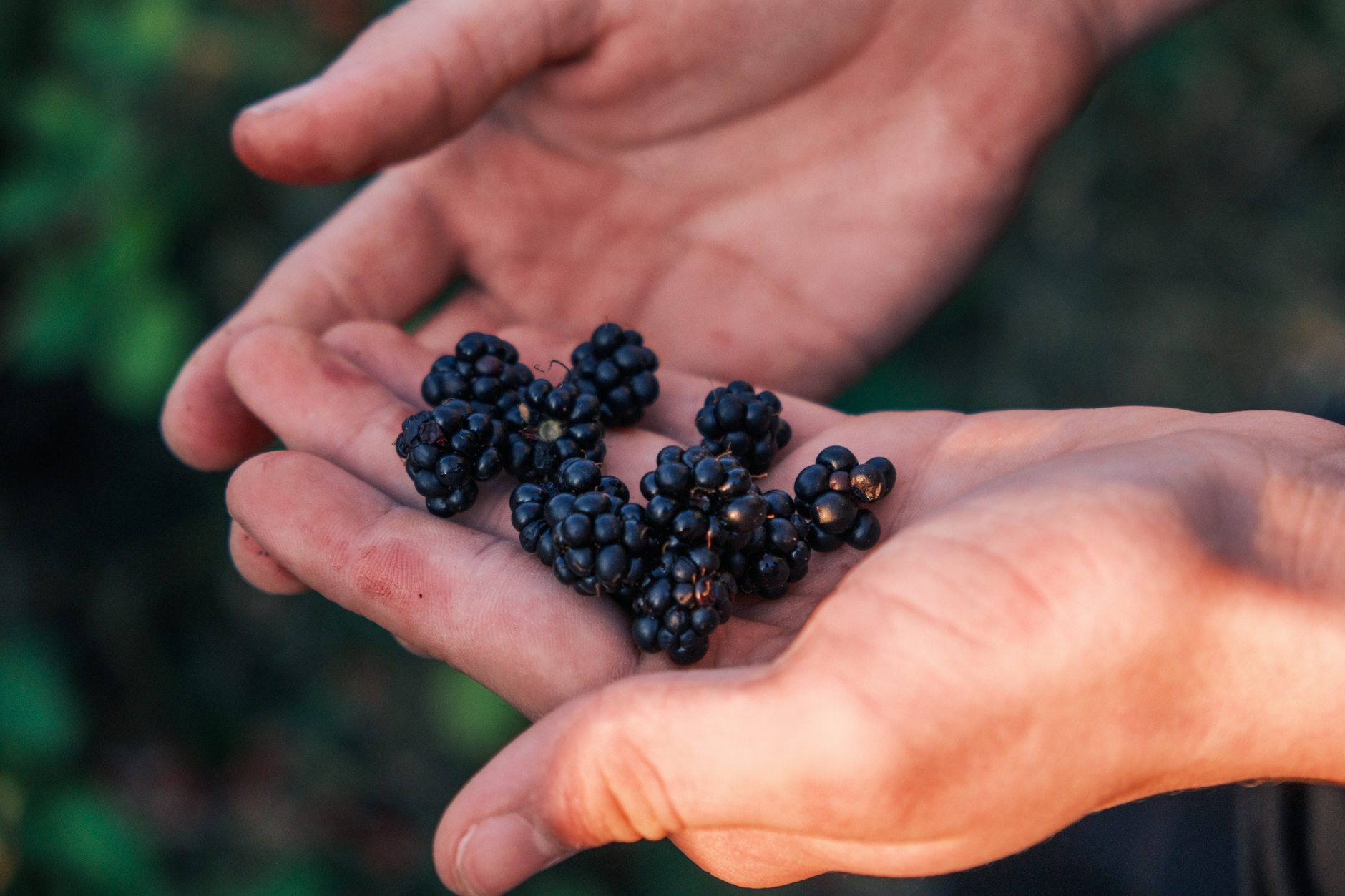
One berry at a time.
The year decides the menu.
Nettle, wild garlic, and the first tender leaves after the hungry gap.
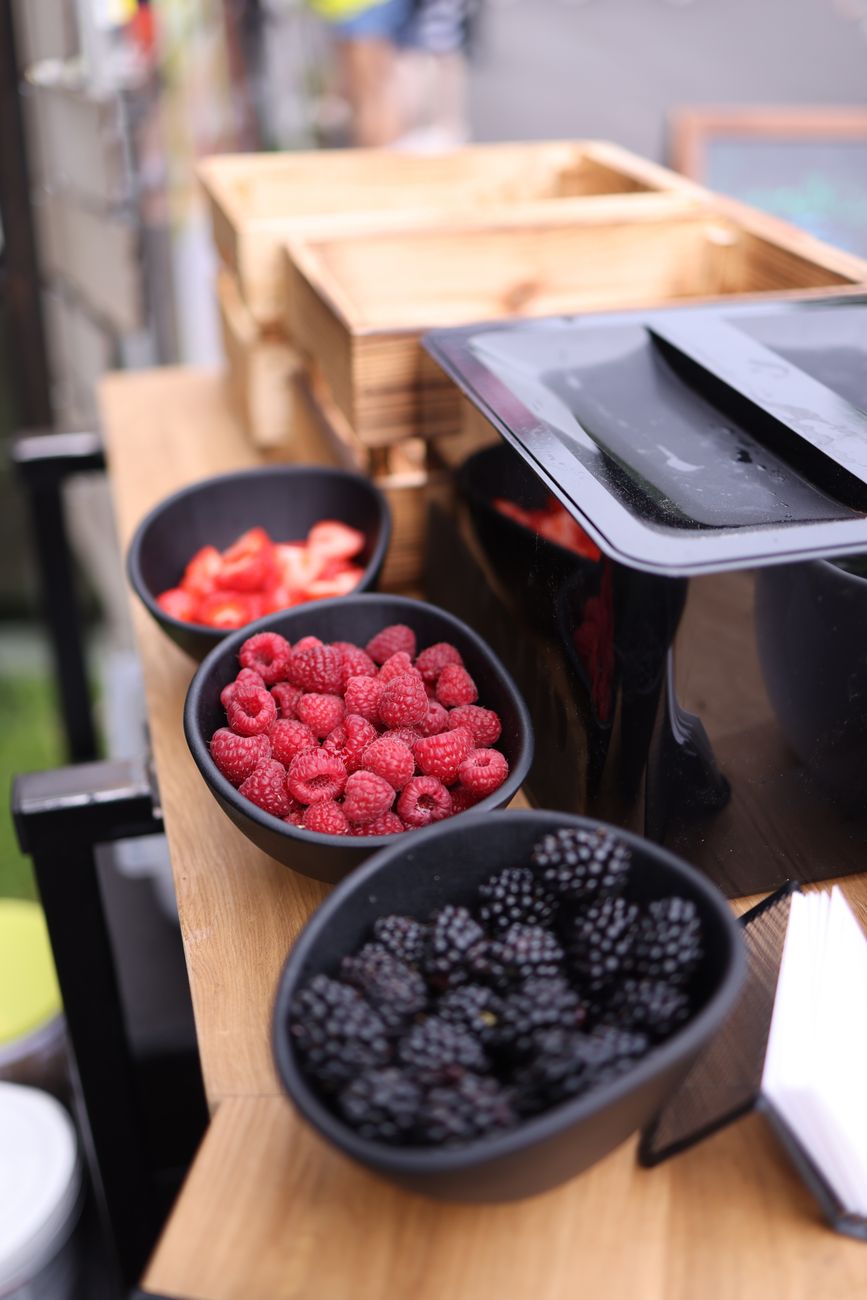
Elderflower and the first soft fruit. The hedges get loud.
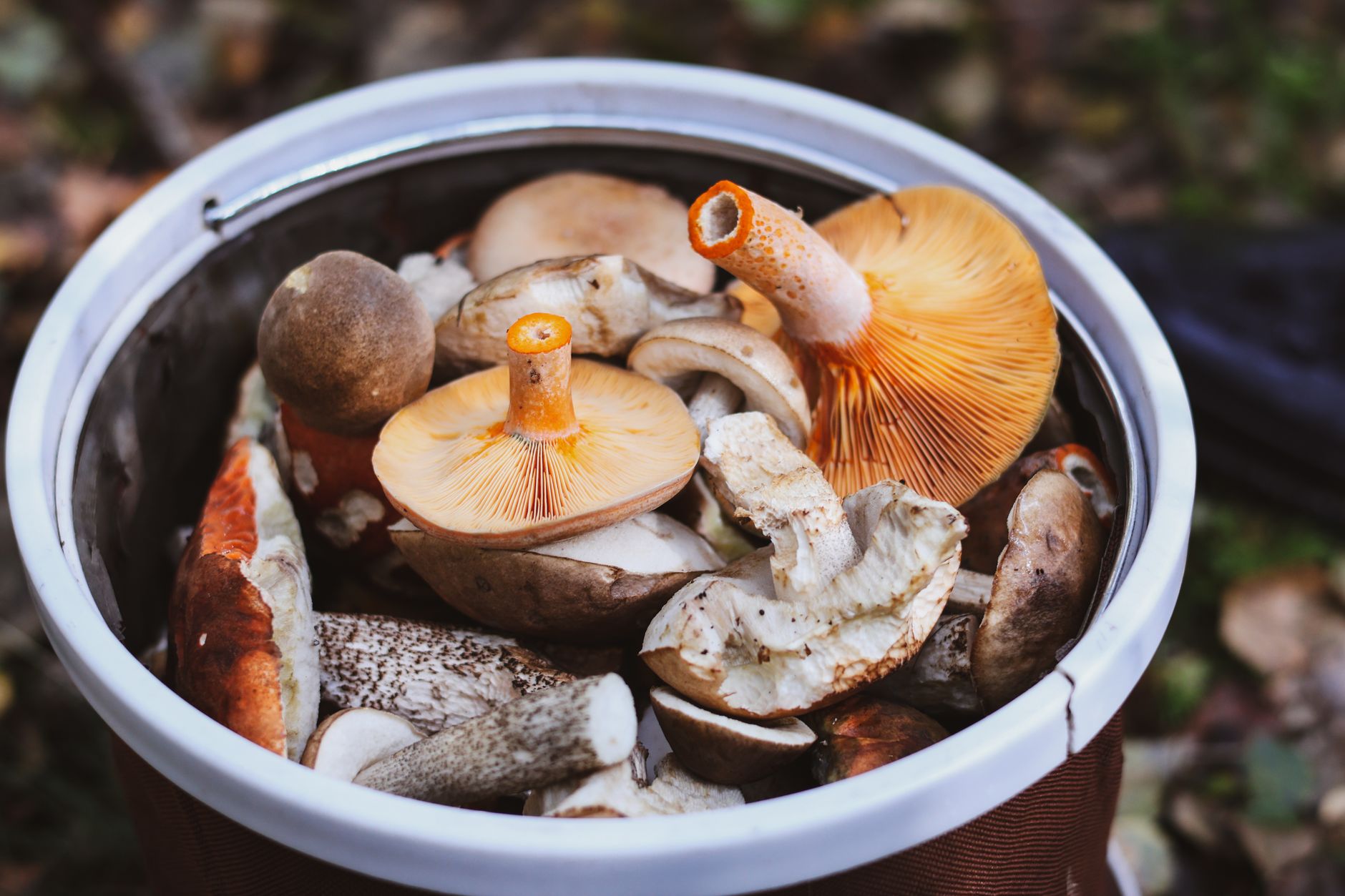
Blackberries, chanterelles, rosehip. The year pays out.
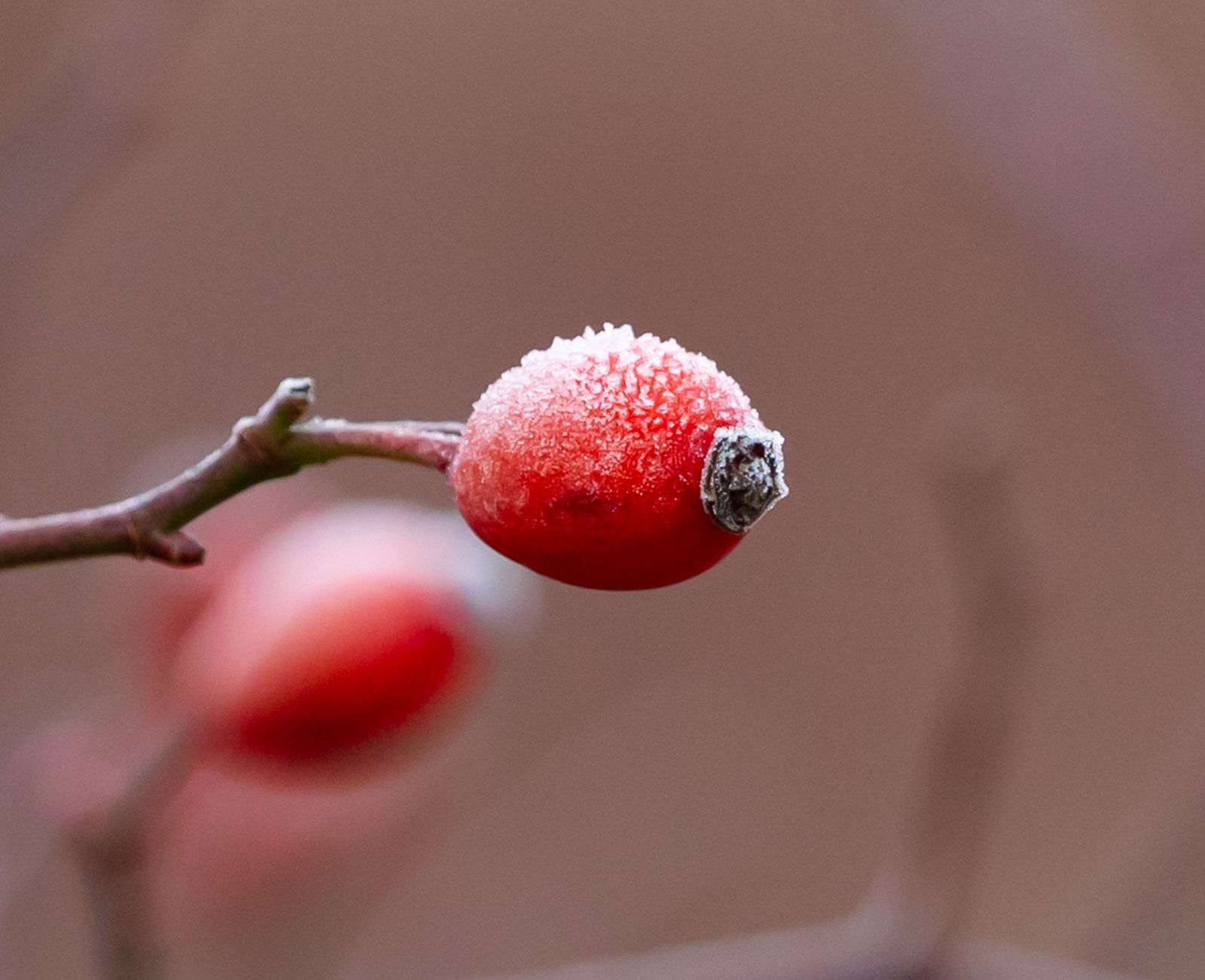
Sloe and rosehip after the frost, and the quiet of the pantry.
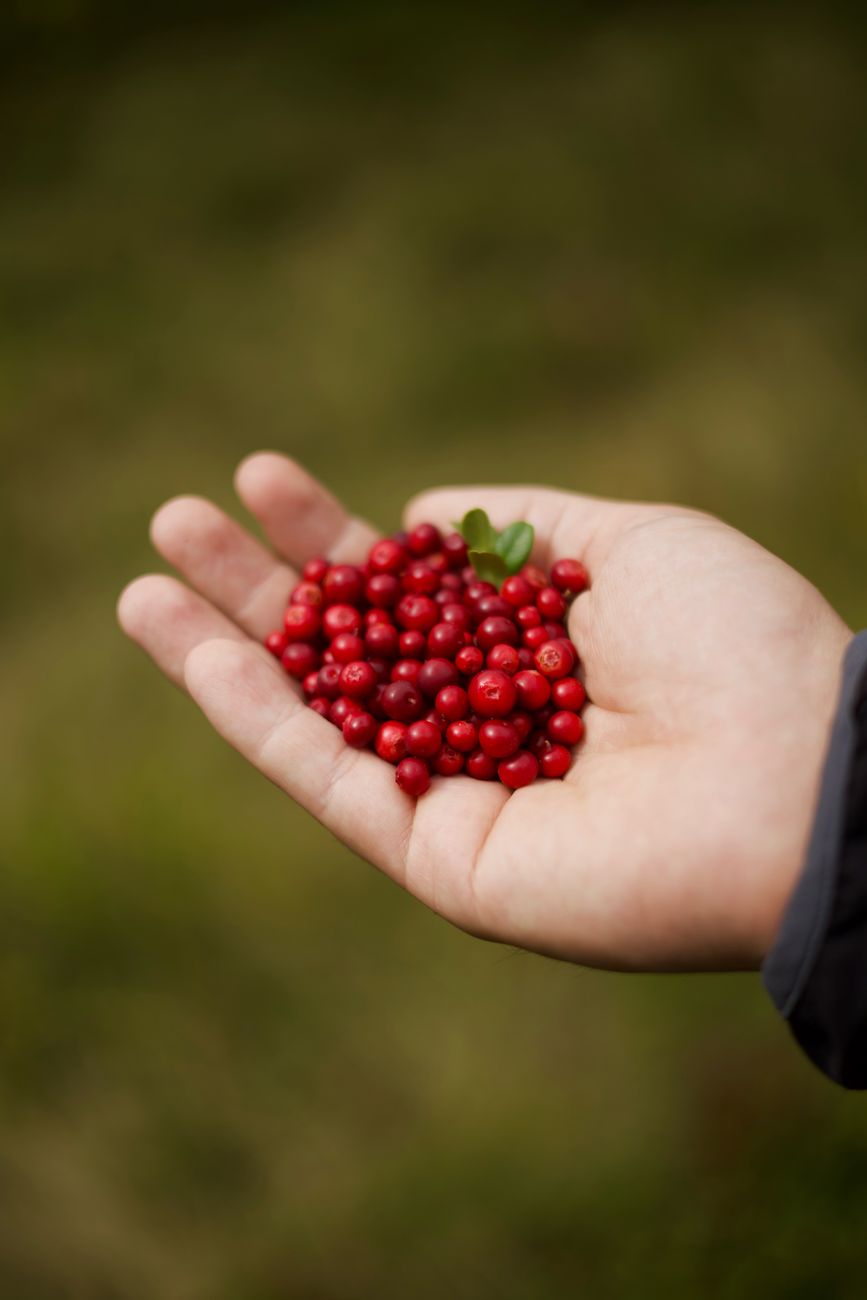
I grew up behind a hedgerow in Devon, and every autumn it paid out in blackberries. My grandmother sent me out with a bowl and a rule: take a quarter, leave the rest for the birds.
Years later I learned the rest of it — that the nettles stinging my ankles made soup, that the elderflowers by the gate made cordial, that the dandelions in the lawn were food, not weeds. I'd been walking through a pantry my whole life.
So here's the invitation: learn one plant. Just one. Then pick it, cook it, and tell someone where it grows. That's how a hedgerow becomes a kitchen.
Live, from our backend.
People who finally cooked the weeds.
"I've been walking past nettles my whole life. This made me finally pick them — and now I make the soup every spring."
"The blackberry map alone is worth it. Found a hedge two streets over I'd never noticed in twelve years."
"Clear, careful, and it never makes you feel dumb for asking. That's rarer than chanterelles."
Where we're going.
Field guide + 142 plant entries, live in beta.
Seasonal alerts — a nudge when the blackberries are ready.
A community forage map with verified public spots.
Local group walks and a printed field guide.
eat what grows.